Teachers
10 Jul 2026
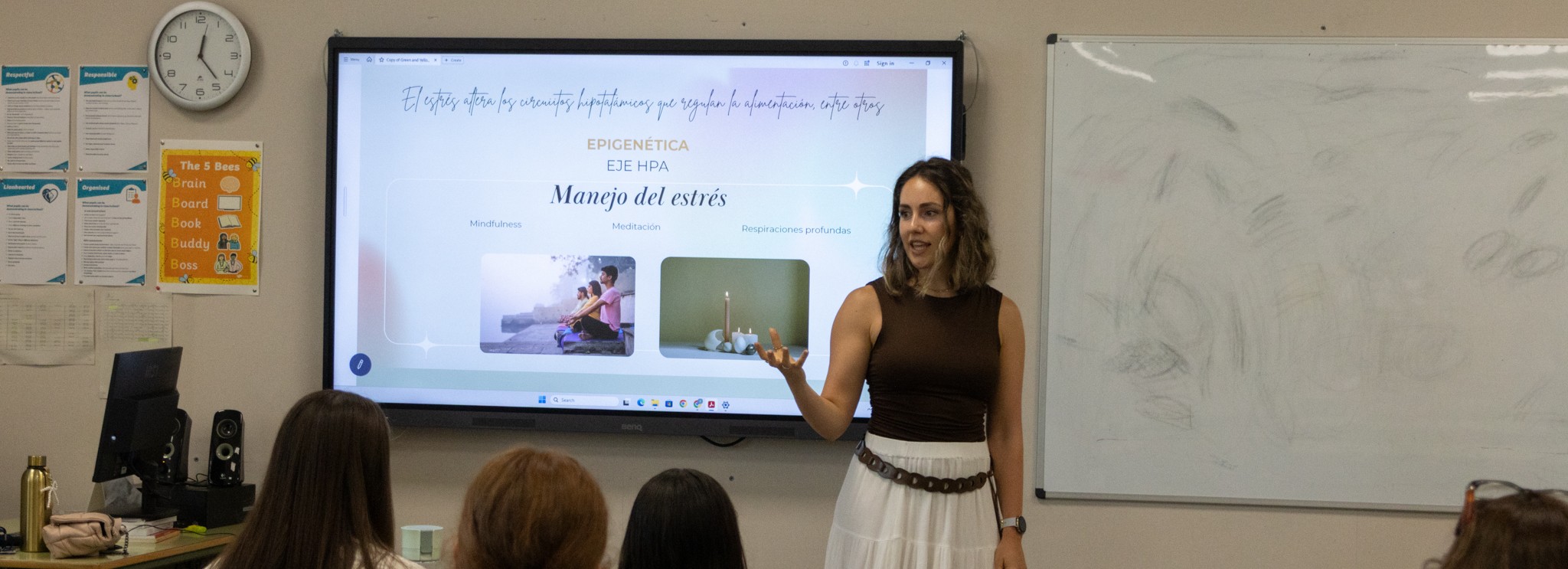
As a biologist with a PhD in neuroscience and a researcher, I am often asked what the true "secret" is to optimising students' academic performance and emotional wellbeing. The answer lies not in magical formulas, but in the daily routines that sculpt our brain—an extraordinarily plastic organ that constantly rewires itself through our habits.
For families and teachers looking to guide children and young people through their school life, there are three essential neurobiological pillars:
How can we implement this? Behavioural psychology or philosophical schools of thought such as Stoicism teach us that we should not rely entirely on willpower, but rather on environmental design. There are some principles of this philosophy, such as the dichotomy of control, which can be of great use to students. It is based on focusing only on what depends on them (their effort, study, and attitude) and accepting what they cannot control, thereby training their resilience in the face of frustration.
Let's not rely solely on willpower; let's design an environment at home and in the classroom that makes it easy to make good decisions. If we help our students improve by just 1% each day, the impact on their future and their mental health will be extraordinary. Habits are the compound interest of personal growth.
Related posts