Our School
11 May 2026
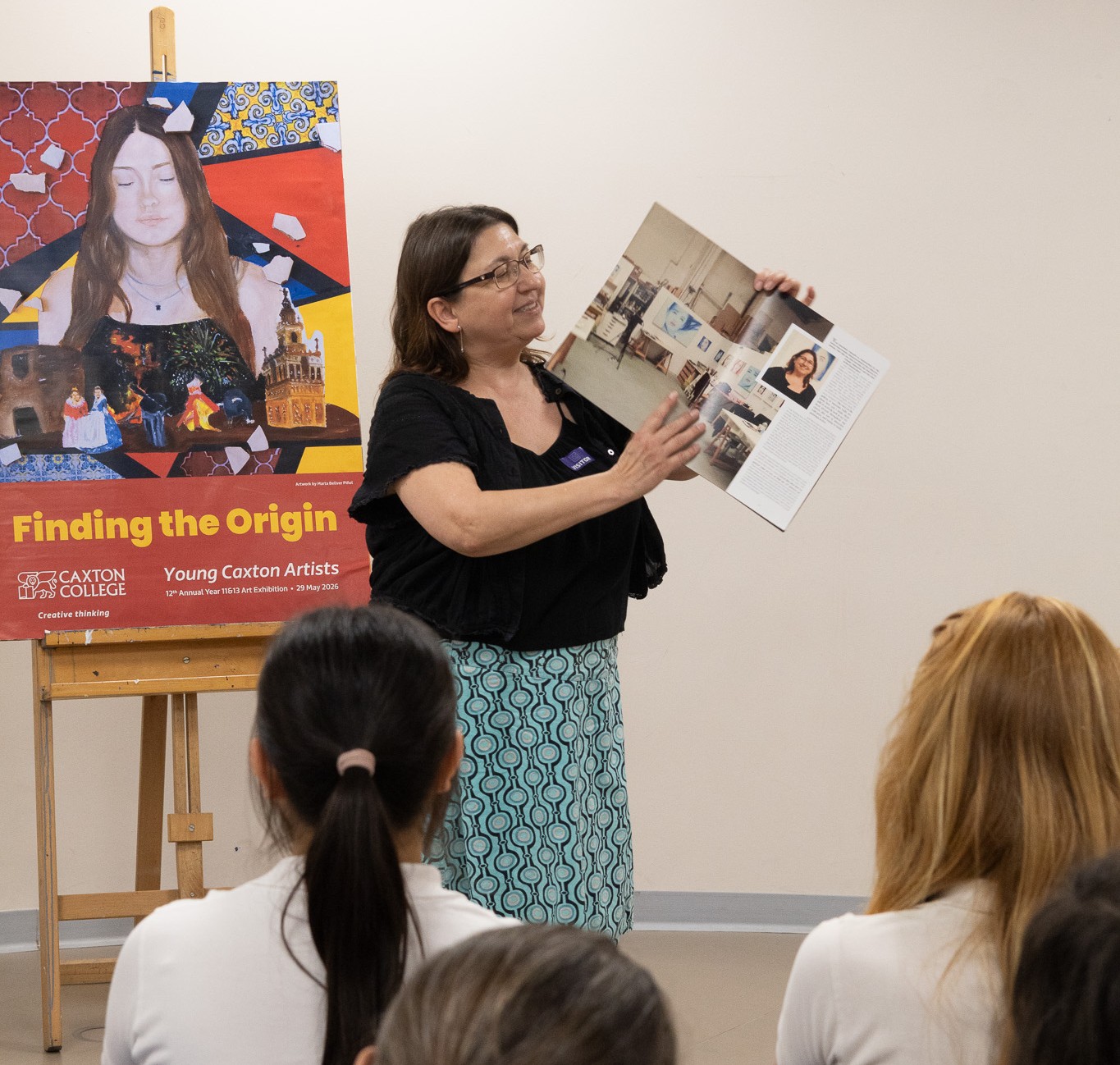
The critical, conscious, and responsible use of digital technologies is not innate; it is learned. Under this premise, educator and communicator Laura Cuesta Cano argues that having been born in the digital age does not exempt young people from the need for education and training in digital skills, as well as active support from schools and families. 'We cannot give children an analogue education in a society that is digital and connected, nor prepare them for a future that will be entirely technological', she states. The expert advocates for a hybrid educational model that prioritises critical thinking and creativity over the passive use of screens.
For Cuesta Cano, educational success lies in a balance where technology is not the end goal, but the tool to achieve it. The strategy she proposes is based on three pillars: the coexistence of digital tools and projects (robotics, programming, AR, AI) and analogue ones (books, notebooks, worksheets); the capacity for creation over consumption—that is, that pupils learn to think using technology—and finally, the limitation of devices at early ages to encourage literacy on paper, as this foundation is essential for them to later learn to read digitally. AI cannot be introduced in Primary if analogue tools have not been used beforehand and the foundations of knowledge established.
The emotional wellbeing of children and adolescents depends on how we promote 'Digital Wellbeing': an agreed balance between hours of connection and screen-free spaces, as well as training in important concepts such as security, privacy, and Digital Identity. In this sense, she replaces the term 'spying' with 'supervision and trust'. 'We must be proactive rather than just worried. Limits must be agreed upon as a family so that they are not perceived as an imposition, but as an agreement for good relations', says Cuesta Cano, an expert from the Sharenting Working Group and member, in 2024, of the Committee of Experts for the creation of a safe digital environment for Youth and Childhood, both initiatives of the Ministry of Youth and Childhood.
Finally, she reminds us that safeguarding children requires adult knowledge: 'We must be familiar with the technology before putting it into the hands of our children or students'. However, she stresses that the challenge is a collective one and requires the involvement of administrations as well as platforms to guarantee safe digital environments for all.
With educational initatives such as this one, the school reaffirms its commitment to an education of excellence that builds bridges between technology, the humanities and the daily lives of families.
Practical information: To facilitate attendance, the event offers free parking and childcare service.
Caxton College is the author of this content, which has been published in Spanish by Las Provincias.
Related posts